Service — Baltimore · Anne Arundel · Howard
Forklift Operator Training in Maryland
Baltimore Forklifts delivers OSHA forklift operator training and certification on site across the Baltimore area, on your own trucks.
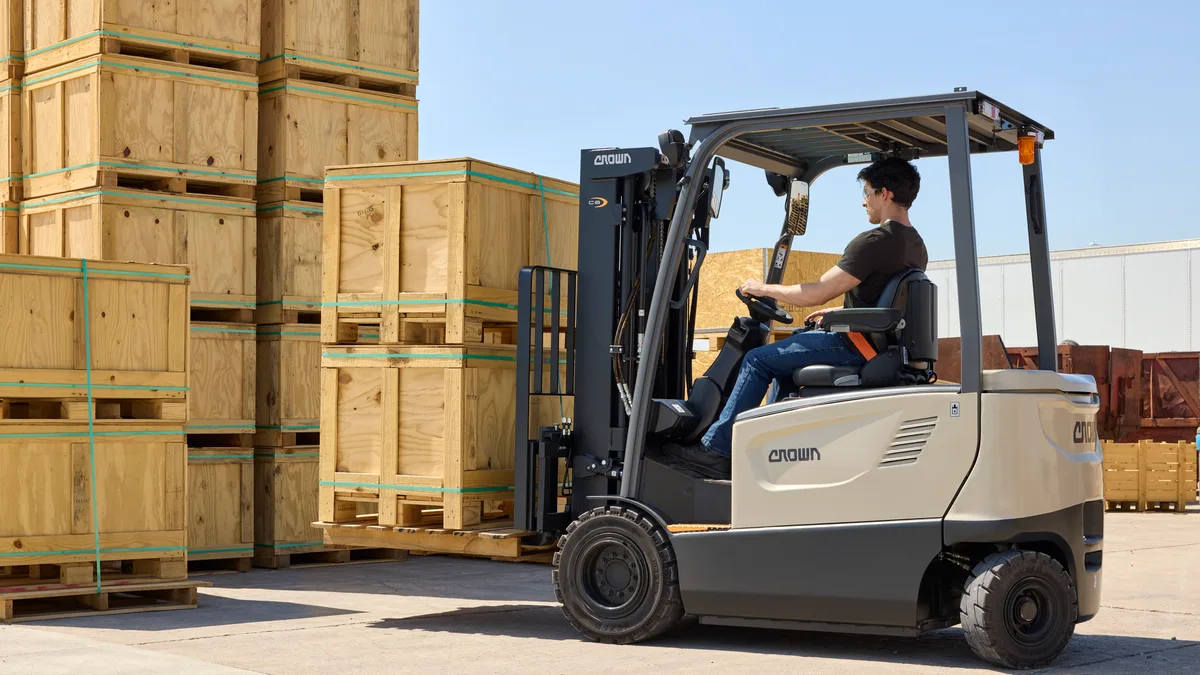
Forklift Operator Training for warehouses across the Baltimore area. Free, no-obligation estimates.
Overview
Forklift Operator Training in the Baltimore Area
Baltimore Forklifts delivers OSHA forklift operator training and certification on site across the Baltimore area, on your own trucks. Maryland runs its own state plan. MOSH (Maryland Occupational Safety and Health, part of the Maryland Department of Labor) enforces OSHA’s forklift standard, 29 CFR 1910.178, for most private employers plus state and local government in Maryland. Private maritime work, such as port and marine terminals, falls under federal OSHA (29 CFR 1917). The standard requires forklift operators to be trained, evaluated and certified before they operate a powered industrial truck. Operators must be evaluated at least every three years. Refresher training and re-evaluation are needed sooner when an operator is seen operating unsafely, is in an accident or near miss, or an evaluation finds unsafe operation. They are also needed when the operator is assigned a different type of truck, or workplace conditions change in a way that affects safe operation. We deliver training and evaluation on site, on your equipment, in your building. That is not just for convenience. The standard requires the practical evaluation to reflect the actual workplace. A certificate earned in someone else’s warehouse, on someone else’s truck, does not cleanly meet it.
- Evaluation reflects your building, your trucks and your hazards
- Written certification you can show a MOSH inspector on request
- Fewer incidents, and less rack and product damage
- Refresher dates tracked so certifications do not lapse
What's included
What you get
- Training and evaluation to OSHA 1910.178, as enforced in Maryland by MOSH
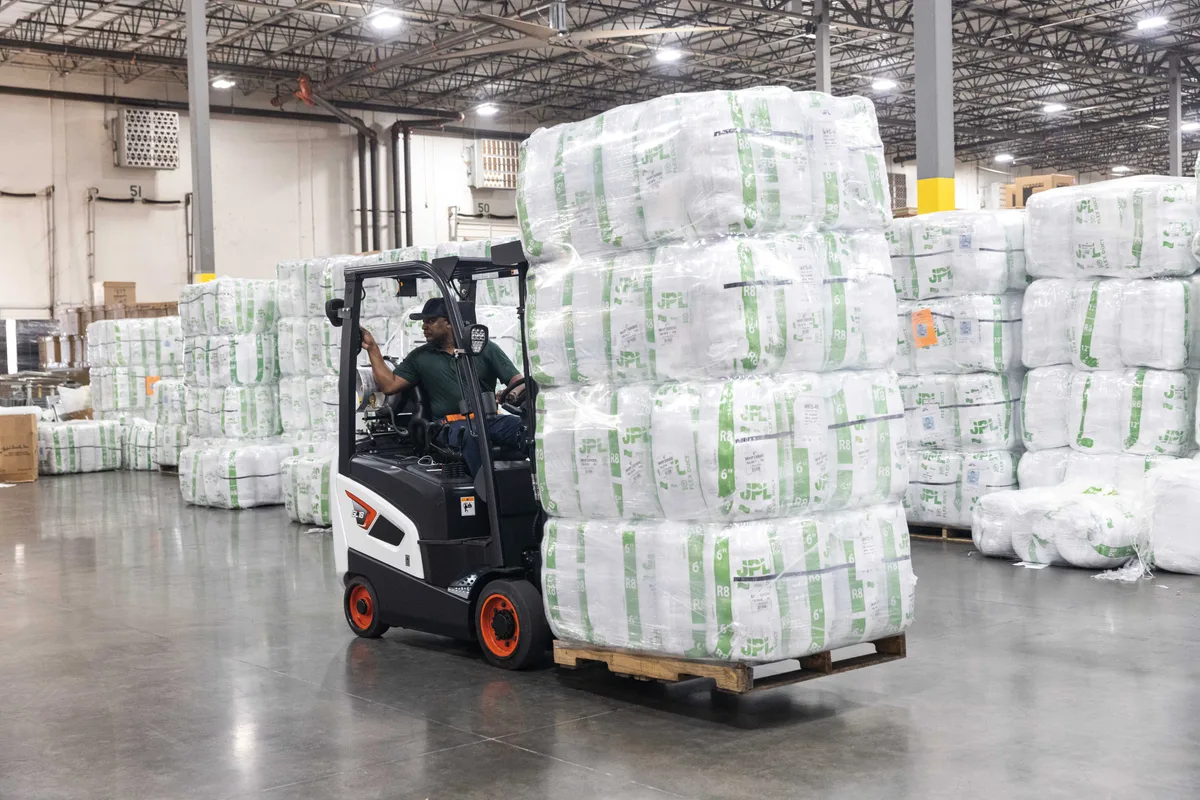
- Delivered on site, on your equipment
- Formal instruction, practical training and performance evaluation
- Content specific to your truck types and workplace
- Re-evaluation and refresher training
- Written certification records for your files
How it works
The process
Scope the session
We confirm which truck types and how many operators. We also list the hazards in your building, such as ramps, dock work, narrow aisles, pedestrians and mixed traffic.
Formal instruction
Classroom sessions cover the standard, truck mechanics, stability, capacity and load handling. They also cover the specific hazards of your site.
Practical training
Operators train hands-on, on your equipment, in the areas where they will actually work.
Straight answers
Forklift Operator Training questions
1 Who enforces forklift training rules in Maryland?
MOSH enforces forklift training rules for most private employers plus state and local government in Maryland. Private maritime work, such as port and marine terminals, falls under federal OSHA (29 CFR 1917). MOSH stands for Maryland Occupational Safety and Health, part of the Maryland Department of Labor. Maryland runs its own state plan, and MOSH has adopted OSHA’s forklift standard, 29 CFR 1910.178. So the federal training, evaluation and re-evaluation rules apply in full to Maryland workplaces.
2 How often does certification need renewing?
Forklift operators must be evaluated at least every three years. Refresher training and re-evaluation are required sooner in five cases. The first is when an operator is seen operating unsafely. The second is when an operator is involved in an accident or near miss. The third is when an evaluation finds the operator is not operating safely. The fourth is when an operator is assigned a different type of truck. The fifth is when workplace conditions change in a way that affects safe operation.
3 Can training happen at your site instead of ours?
Training in your own building is the right answer, and it is our default. The practical evaluation needs to reflect the workplace where the operator will actually work. The formal instruction part is more flexible. But doing the whole thing in your building, on your trucks, is cleaner. It is also what the standard is built around.
4 Does an operator certified elsewhere need retraining?
Past training may reduce what is needed. It does not remove the evaluation in your workplace. Certification is specific to the truck type and the workplace. An operator from another employer with a valid card still needs evaluation on your equipment and your site conditions before operating.
5 How long does a session take?
Session length depends on group size, truck types and how much experience the operators have. A refresher for experienced operators is much shorter than first-time certification for new ones. We scope each session around your group instead of quoting a fixed block of time.
More from us
Other services
Where we work
Forklift Operator Training across the Baltimore Area
We deliver forklift operator training to warehouses across Baltimore City and Baltimore, Anne Arundel, Howard, Harford and Carroll counties. Pick your area to see the equipment that market runs and the jobs we see there.
- Baltimore, MD Forklift Operator Training
- Dundalk, MD Forklift Operator Training
- Sparrows Point, MD Forklift Operator Training
- White Marsh, MD Forklift Operator Training
- Towson, MD Forklift Operator Training
- Owings Mills, MD Forklift Operator Training
- Halethorpe, MD Forklift Operator Training
- Glen Burnie, MD Forklift Operator Training
- Linthicum, MD Forklift Operator Training
- Hanover, MD Forklift Operator Training
- Jessup, MD Forklift Operator Training
- Elkridge, MD Forklift Operator Training
- Columbia, MD Forklift Operator Training
- Aberdeen, MD Forklift Operator Training
- Edgewood, MD Forklift Operator Training
- Westminster, MD Forklift Operator Training
Ready when you are